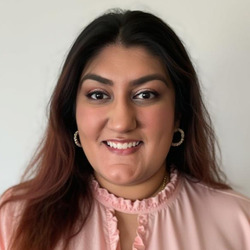
Navi Singh is the Co-founder and CEO of Sohva, a full-service TikTok Shop agency helping consumer brands grow through social commerce. With experience across influencer marketing, affiliate programs, and eCommerce, she leads the agency’s strategy and growth. Her expertise spans creator activation, affiliate marketing, live selling, and TikTok Shop performance. Before launching Sohva, Navi’s background with global brands and growth-stage companies gave her a brand-side perspective on building scalable, revenue-focused programs.







TikTok Shop is giving brands new ways to connect content, creators, and commerce in one platform. But success takes more than simply opening a storefront. How can brands build a TikTok Shop strategy that drives both revenue and brand growth?
TikTok Shop expert Navi Singh explains that the strongest strategies combine organic content, affiliate marketing, and consistent creator activation rather than relying on a single tactic. Brands should focus on building content volume, sampling products to the right creators, and understanding that profitability may take time as the channel develops. Navi also highlights the platform’s halo effect, where TikTok activity can influence sales across DTC, Amazon, and other retail channels. By prioritizing speed, creator relationships, and realistic channel economics, brands can approach TikTok Shop as a long-term growth engine rather than a short-term experiment.
In this episode of The Digital Deep Dive, Aaron Conant talks with Navi Singh, Co-founder and CEO of Sohva, about how brands are leveraging TikTok Shop for social commerce growth. Navi explores organic content, affiliate strategies, and creator-driven sales. She also covers fulfillment, the TikTok halo effect, and common mistakes brands make when scaling on the platform.
BWG Connect provides executive strategy and networking sessions that help brands from any industry with their overall business planning and execution. We network and knowledge share together to better understand and adapt to the newest trends, strategies, and pain points shaping growth in the digital space. BWG Connect, in conjunction with BWG Strategy, has built an exclusive network of 125,000+ senior professionals and hosts over 2,000 virtual and in-person networking events on an annual basis.
In addition, we have had 1x1 conversations with over 5,000 brands and have a real-time pulse on what digital strategies are successful and why. This in-depth knowledge allows our team to operate on the cutting-edge and provide our clients with best-in-class guidance on how to win in the digital world. We have provided free consultations and strategy sessions for companies of all sizes, from start-ups to Fortune-100, to enable growth, resolve issues and make curated service provider introductions that can impact your digital footprint.
We have held to the philosophy of providing high-level insights and actionable knowledge with no sales pitches in order to provide to our network the ability to listen, learn and act to improve themselves as well as their organizations. Our ultimate goal is to be the resource out there to help digital executives find the research they need to excel in the modern marketplace.
If you are interested in getting involved with any of our current or past events, you can find them here. If you are looking for help & would like to set up some time to chat with our team, you can schedule a time or reach out directly to Aaron@bwgconnect.com or Tiffany@bwgconnect.com.
Powered by Rise25 Podcast Production Company

Aviv Frenkel is the Co-founder and CEO of Shuttlebase, formerly Moonshot AI, an AI-powered platform that autonomously optimizes eCommerce websites for conversion. Drawing on his experience running an eCommerce website, Aviv leads the company’s efforts to remove guesswork from CRO by identifying friction, generating test ideas, launching experiments, and deploying winning variants. His expertise spans AI-driven experimentation, conversion optimization, customer behavior, and eCommerce growth.
Conversion rate optimization has long required significant time, resources, and coordination across teams. As acquisition costs rise and customer journeys become more complex, how can brands use AI to make CRO faster and more effective?
AI can automate much of the testing process while helping brands uncover the customer behaviors behind conversion gains. Aviv Frenkel, an expert in AI-driven experimentation and eCommerce conversion optimization, explains how autonomous CRO can identify friction, generate hypotheses, launch tests, and apply best-performing changes with far less manual effort. Aviv also highlights the importance of having enough traffic to support meaningful experimentation and using test results to learn what shoppers value, where they hesitate, and which messages build trust. The goal is not simply to run more tests, but to create a smarter, faster feedback loop that improves both the customer experience and revenue.
In this episode of The Digital Deep Dive, Aaron Conant talks with Aviv Frenkel, Co-founder and CEO of Shuttlebase, about how AI is replacing the guesswork in conversion rate optimization. Aviv explores autonomous CRO, faster experimentation, and turning website data into revenue growth. He also touches on customer insights, Q4 optimization, and the evolution from Moonshot AI to Shuttlebase.\
BWG Connect provides executive strategy and networking sessions that help brands from any industry with their overall business planning and execution. We network and knowledge share together to better understand and adapt to the newest trends, strategies, and pain points shaping growth in the digital space. BWG Connect, in conjunction with BWG Strategy, has built an exclusive network of 125,000+ senior professionals and hosts over 2,000 virtual and in-person networking events on an annual basis.
In addition, we have had 1x1 conversations with over 5,000 brands and have a real-time pulse on what digital strategies are successful and why. This in-depth knowledge allows our team to operate on the cutting-edge and provide our clients with best-in-class guidance on how to win in the digital world. We have provided free consultations and strategy sessions for companies of all sizes, from start-ups to Fortune-100, to enable growth, resolve issues and make curated service provider introductions that can impact your digital footprint.
We have held to the philosophy of providing high-level insights and actionable knowledge with no sales pitches in order to provide to our network the ability to listen, learn and act to improve themselves as well as their organizations. Our ultimate goal is to be the resource out there to help digital executives find the research they need to excel in the modern marketplace.
If you are interested in getting involved with any of our current or past events, you can find them here. If you are looking for help & would like to set up some time to chat with our team, you can schedule a time or reach out directly to Aaron@bwgconnect.com or Tiffany@bwgconnect.com.
Powered by Rise25 Podcast Production Company

Lucas Tieleman is the Co-founder and CEO of Optiversal, an AI-powered eCommerce platform helping retailers improve product discoverability and conversion through richer product data and dynamically generated content. Previously Chief Product Officer at Bazaarvoice and a serial entrepreneur, Lucas brings deep expertise in eCommerce, AI search, product strategy, and digital shopping experiences. He also represented Optiversal in winning the Judges’ Choice award at Shoptalk 2024, which included an optional £100,000 investment from Commerce Ventures.
As consumers shift from short keyword searches to conversational queries, product catalogs need to evolve with them. Basic attributes and product descriptions often miss the context and language shoppers now bring to Google and LLM-powered search. So what does a product catalog need to look like to stay discoverable?
According to eCommerce and AI search expert Lucas Tieleman, brands need richer, more structured product data that reflects how consumers actually describe and search for products. That means filling catalog gaps, adding natural-language attributes, optimizing product feeds for Google and OpenAI, and creating relevant landing pages around specific shopper intent. Lucas also highlights how AI can analyze reviews, images, search trends, and catalog data to continuously improve product information at scale. The goal is not simply more content, but better signals that help search engines and LLMs connect the right products with the right queries.
In this episode of The Digital Deep Dive, Aaron Conant talks with Lucas Tieleman, Co-founder and CEO of Optiversal, about the new product catalog requirements for LLMs. Lucas explains how natural-language search is reshaping product data, why optimized feeds matter for AI visibility, and how automated landing pages can improve discoverability and conversion. He also touches on AI-driven catalog enrichment and self-maintaining eCommerce experiences.
BWG Connect provides executive strategy and networking sessions that help brands from any industry with their overall business planning and execution. We network and knowledge share together to better understand and adapt to the newest trends, strategies, and pain points shaping growth in the digital space. BWG Connect, in conjunction with BWG Strategy, has built an exclusive network of 125,000+ senior professionals and hosts over 2,000 virtual and in-person networking events on an annual basis.
In addition, we have had 1x1 conversations with over 5,000 brands and have a real-time pulse on what digital strategies are successful and why. This in-depth knowledge allows our team to operate on the cutting-edge and provide our clients with best-in-class guidance on how to win in the digital world. We have provided free consultations and strategy sessions for companies of all sizes, from start-ups to Fortune-100, to enable growth, resolve issues and make curated service provider introductions that can impact your digital footprint.
We have held to the philosophy of providing high-level insights and actionable knowledge with no sales pitches in order to provide to our network the ability to listen, learn and act to improve themselves as well as their organizations. Our ultimate goal is to be the resource out there to help digital executives find the research they need to excel in the modern marketplace.
If you are interested in getting involved with any of our current or past events, you can find them here. If you are looking for help & would like to set up some time to chat with our team, you can schedule a time or reach out directly to Aaron@bwgconnect.com or Tiffany@bwgconnect.com.
Powered by Rise25 Podcast Production Company

Jonny Waite is the Co-founder and CEO of RECHO, a full-service Reddit marketing agency helping brands grow through organic community management, paid advertising, and Reddit-native strategy. With 17 years of agency-side digital experience, Jonny built SEO, paid search, Amazon, and omnichannel programs for Fortune 500 companies and high-growth startups. He helps brands navigate Reddit authentically, manage reputation, and improve visibility across search and AI-driven discovery.
As AI-driven search changes how consumers discover products, brand-owned content is no longer the only influence on buying decisions. More people are turning to online communities for candid perspectives that validate what they find elsewhere. How can brands build trust when those conversations are already happening beyond their control?
Reddit marketing and digital search expert Jonny Waite explains that brands can earn credibility by participating in communities authentically instead of relying on overt promotion. Success starts with listening to how users communicate, respecting community norms, and contributing expertise where it genuinely adds value. Jonny emphasizes the benefit of pairing organic engagement with targeted advertising while recognizing Reddit’s long-term search impact, since indexed conversations can influence discovery and purchase decisions for years. A thoughtful Reddit strategy can strengthen trust, improve visibility, and create a lasting advantage across both search and AI-driven discovery.
In this episode of The Digital Deep Dive, Aaron Conant welcomes back Jonny Waite, Co-founder and CEO of RECHO, to build on an earlier discussion about Reddit’s rising importance and examine why every brand needs a Reddit strategy. Jonny covers AI search, community trust, and advertising opportunities. He also shares how authentic participation can create long-term brand value.
BWG Connect provides executive strategy and networking sessions that help brands from any industry with their overall business planning and execution. We network and knowledge share together to better understand and adapt to the newest trends, strategies, and pain points shaping growth in the digital space. BWG Connect, in conjunction with BWG Strategy, has built an exclusive network of 125,000+ senior professionals and hosts over 2,000 virtual and in-person networking events on an annual basis.
In addition, we have had 1x1 conversations with over 5,000 brands and have a real-time pulse on what digital strategies are successful and why. This in-depth knowledge allows our team to operate on the cutting-edge and provide our clients with best-in-class guidance on how to win in the digital world. We have provided free consultations and strategy sessions for companies of all sizes, from start-ups to Fortune-100, to enable growth, resolve issues and make curated service provider introductions that can impact your digital footprint.
We have held to the philosophy of providing high-level insights and actionable knowledge with no sales pitches in order to provide to our network the ability to listen, learn and act to improve themselves as well as their organizations. Our ultimate goal is to be the resource out there to help digital executives find the research they need to excel in the modern marketplace.
If you are interested in getting involved with any of our current or past events, you can find them here. If you are looking for help & would like to set up some time to chat with our team, you can schedule a time or reach out directly to Aaron@bwgconnect.com or Tiffany@bwgconnect.com.
Powered by Rise25 Podcast Production Company
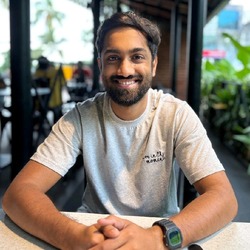
Rohan Philip is the Product and Strategy Lead at MetricsCart, a digital commerce intelligence platform that helps brands monitor and improve performance across online retailers and marketplaces. In his role, he shapes product strategy around pricing, availability, content health, search visibility, ratings, and reviews, translating complex shelf data into practical actions for brands. Rohan specializes in holistic digital shelf management, review intelligence, automation, and the emerging impact of AI-powered shopping.
The digital shelf is shaped by far more than product titles and images. Pricing, availability, reviews, search visibility, and advertising all affect conversion. How can brands manage these interconnected signals without overextending their teams?
Rohan Philip, an expert in product strategy and digital shelf intelligence, recommends treating every performance signal as part of one system. Brands should prioritize the retailers driving the most revenue, automate monitoring across secondary channels, and use reviews to uncover product issues, improve marketing language, and guide development. Rohan stresses that pricing, content health, ratings, availability, and search performance must be evaluated together, especially as AI agents reshape discovery and purchasing. A coordinated, insight-led approach helps teams protect profitability while preparing for a more automated shopping journey.
In this episode of The Digital Deep Dive, Aaron Conant talks with Rohan Philip, Product and Strategy Lead at MetricsCart, about taking a holistic view of the digital shelf. Rohan explains how to prioritize top retailers, connect pricing and content signals, and turn reviews into actionable insights. He also examines automation, AI shopping agents, and the future of product discovery.
BWG Connect provides executive strategy and networking sessions that help brands from any industry with their overall business planning and execution. We network and knowledge share together to better understand and adapt to the newest trends, strategies, and pain points shaping growth in the digital space. BWG Connect, in conjunction with BWG Strategy, has built an exclusive network of 125,000+ senior professionals and hosts over 2,000 virtual and in-person networking events on an annual basis.
In addition, we have had 1x1 conversations with over 5,000 brands and have a real-time pulse on what digital strategies are successful and why. This in-depth knowledge allows our team to operate on the cutting-edge and provide our clients with best-in-class guidance on how to win in the digital world. We have provided free consultations and strategy sessions for companies of all sizes, from start-ups to Fortune-100, to enable growth, resolve issues and make curated service provider introductions that can impact your digital footprint.
We have held to the philosophy of providing high-level insights and actionable knowledge with no sales pitches in order to provide to our network the ability to listen, learn and act to improve themselves as well as their organizations. Our ultimate goal is to be the resource out there to help digital executives find the research they need to excel in the modern marketplace.
If you are interested in getting involved with any of our current or past events, you can find them here. If you are looking for help & would like to set up some time to chat with our team, you can schedule a time or reach out directly to Aaron@bwgconnect.com or Tiffany@bwgconnect.com.
Powered by Rise25 Podcast Production Company

Lauren Livak Gilbert is the Executive Director of the Digital Shelf Institute, a community of more than 11,000 brands and retailers navigating eCommerce and the digital shelf. She leads research, education, and industry collaboration on emerging commerce trends. Lauren specializes in agentic commerce, product content, citations, measurement, and helping brands turn complex digital shifts into practical strategies that drive customer acquisition and growth.

Max Sinclair is the Founder and CEO of Azoma (formerly Ecomtent), an agentic commerce platform helping brands improve visibility and performance across AI-powered shopping. He leads company strategy, growth, and enterprise partnerships while advising brands on product discovery, content, and conversion across ChatGPT, Amazon Rufus, Walmart Sparky, and Google Gemini. Max also co-hosts The New Frontier: The Agentic Commerce & Answer Engine Optimization podcast.
Agentic commerce is becoming a priority for brands, but many teams are still defining how it fits into their eCommerce strategies. Rather than replacing the digital shelf, it expands how AI systems discover, evaluate, and recommend products. How can brands turn this shift into measurable growth?
Digital shelf strategist Lauren Livak Gilbert and agentic commerce entrepreneur Max Sinclair answer by organizing the challenge around five C’s: completeness, context, citations, correctness, and customer acquisition. Their framework shows brands how to strengthen product data, answer detailed shopper questions, build trust through credible sources, and correct inaccurate information across AI platforms. Lauren recommends treating agentic commerce as an extension of existing digital shelf work while developing a deeper understanding of shopper needs. Max emphasizes monitoring the entire category, identifying the sources AI tools rely on, and connecting visibility efforts to conversion and incremental revenue. Together, their guidance offers a practical way to prepare internal teams, prioritize investments, and measure meaningful business impact.
In this episode of The Digital Deep Dive, Aaron Conant talks with Lauren Livak Gilbert, Executive Director of the Digital Shelf Institute, and Max Sinclair, Founder and CEO of Azoma, about decoding agentic commerce through the five C’s. Lauren and Max show how brands can improve data completeness, add richer context, strengthen citations, ensure correctness, and drive customer acquisition. They also discuss AI shopping behavior, brand accuracy, and practical measurement.
BWG Connect provides executive strategy and networking sessions that help brands from any industry with their overall business planning and execution. We network and knowledge share together to better understand and adapt to the newest trends, strategies, and pain points shaping growth in the digital space. BWG Connect, in conjunction with BWG Strategy, has built an exclusive network of 125,000+ senior professionals and hosts over 2,000 virtual and in-person networking events on an annual basis.
In addition, we have had 1x1 conversations with over 5,000 brands and have a real-time pulse on what digital strategies are successful and why. This in-depth knowledge allows our team to operate on the cutting-edge and provide our clients with best-in-class guidance on how to win in the digital world. We have provided free consultations and strategy sessions for companies of all sizes, from start-ups to Fortune-100, to enable growth, resolve issues and make curated service provider introductions that can impact your digital footprint.
We have held to the philosophy of providing high-level insights and actionable knowledge with no sales pitches in order to provide to our network the ability to listen, learn and act to improve themselves as well as their organizations. Our ultimate goal is to be the resource out there to help digital executives find the research they need to excel in the modern marketplace.
If you are interested in getting involved with any of our current or past events, you can find them here. If you are looking for help & would like to set up some time to chat with our team, you can schedule a time or reach out directly to Aaron@bwgconnect.com or Tiffany@bwgconnect.com.
Powered by Rise25 Podcast Production Company

Christian Rich is the Founding US Sales Lead at Azoma, an agentic commerce optimization platform that helps brands improve visibility across AI-powered search and shopping experiences. Working with consumer brands, he focuses on how product content is discovered, interpreted, and recommended by ChatGPT, Amazon Alexa, Walmart Sparky, and other AI assistants. Christian specializes in digital shelf strategy, conversational search, content structuring, and LLM-driven product discovery and conversion.
Amazon’s shorter title limit reflects a broader change in how consumers discover and evaluate products online. As mobile shopping, conversational prompts, and AI assistants reshape search, brands must create content that works for both people and algorithms. How can they adapt without sacrificing visibility or conversion?
The answer is to treat concise titles as part of a wider shift toward prompt-based, agent-assisted shopping, according to Christian Rich, an expert in agentic commerce and digital shelf strategy. Brands should write clear, human-friendly titles, move valuable keywords and product details into structured content, and identify the category questions AI tools are prompting shoppers to ask. Christian also recommends making product pages specific enough for assistants to confidently match products with detailed consumer requests. By connecting marketplace content with broader AI-discovery strategies, brands can improve their chances of being surfaced, recommended, and selected.
In this episode of The Digital Deep Dive, Aaron Conant talks with Christian Rich, Founding US Sales Lead at Azoma, about Amazon’s new 75-character title limit and the rise of AI-assisted shopping. Christian explores cleaner titles, structured item highlights, and prompt-ready product content. He also examines Alexa-driven discovery and the connection between retailer pages and ChatGPT visibility.
BWG Connect provides executive strategy and networking sessions that help brands from any industry with their overall business planning and execution. We network and knowledge share together to better understand and adapt to the newest trends, strategies, and pain points shaping growth in the digital space. BWG Connect, in conjunction with BWG Strategy, has built an exclusive network of 125,000+ senior professionals and hosts over 2,000 virtual and in-person networking events on an annual basis.
In addition, we have had 1x1 conversations with over 5,000 brands and have a real-time pulse on what digital strategies are successful and why. This in-depth knowledge allows our team to operate on the cutting-edge and provide our clients with best-in-class guidance on how to win in the digital world. We have provided free consultations and strategy sessions for companies of all sizes, from start-ups to Fortune-100, to enable growth, resolve issues and make curated service provider introductions that can impact your digital footprint.
We have held to the philosophy of providing high-level insights and actionable knowledge with no sales pitches in order to provide to our network the ability to listen, learn and act to improve themselves as well as their organizations. Our ultimate goal is to be the resource out there to help digital executives find the research they need to excel in the modern marketplace.
If you are interested in getting involved with any of our current or past events, you can find them here. If you are looking for help & would like to set up some time to chat with our team, you can schedule a time or reach out directly to Aaron@bwgconnect.com or Tiffany@bwgconnect.com.
Powered by Rise25 Podcast Production Company

Kevin Williams is the Founder and CEO of Ascend AI Labs, an AI enablement firm that helps organizations build AI literacy, governance, and implementation strategies. A serial entrepreneur with roots in DTC brand building and digital marketing, Kevin helps companies align leadership, improve workflows, and implement practical AI strategies. His expertise spans enterprise AI adoption, governance, agentic workflows, and transformation for brands. Kevin is also the President of KDF Aegis LLC, a consulting and private equity firm.
Many brands are racing to adopt AI, but the biggest barrier may not be the technology itself. Before teams can improve workflows or build automation, leaders need to define what AI means for the organization. So where should companies begin when the pressure to move fast collides with uncertainty and unclear direction?
As an AI adoption and digital transformation expert, Kevin Williams argues that AI strategy has to start with leadership before data, tools, or technical infrastructure. His approach is to create alignment at the top through a clear AI manifesto, practical governance, and a shared roadmap that helps teams understand how AI will support the business. Rather than waiting for perfect data, Kevin recommends building literacy, giving employees the right connected tools, and identifying high-value workflows where AI can reduce friction. The strongest AI strategies come from the leaders who combine vision, communication, and practical execution.
In this episode of The Digital Deep Dive, Aaron Conant talks with Kevin Williams, Founder and CEO of Ascend AI Labs, about why AI strategy starts in the C-suite, not in the cloud. Kevin shares how leadership maturity, AI manifestos, and connected workflows shape adoption. He also touches on agentic automation, implementation costs, cybersecurity risks, and why context makes AI tools more valuable.
BWG Connect provides executive strategy and networking sessions that help brands from any industry with their overall business planning and execution. We network and knowledge share together to better understand and adapt to the newest trends, strategies, and pain points shaping growth in the digital space. BWG Connect, in conjunction with BWG Strategy, has built an exclusive network of 125,000+ senior professionals and hosts over 2,000 virtual and in-person networking events on an annual basis.
In addition, we have had 1x1 conversations with over 5,000 brands and have a real-time pulse on what digital strategies are successful and why. This in-depth knowledge allows our team to operate on the cutting-edge and provide our clients with best-in-class guidance on how to win in the digital world. We have provided free consultations and strategy sessions for companies of all sizes, from start-ups to Fortune-100, to enable growth, resolve issues and make curated service provider introductions that can impact your digital footprint.
We have held to the philosophy of providing high-level insights and actionable knowledge with no sales pitches in order to provide to our network the ability to listen, learn and act to improve themselves as well as their organizations. Our ultimate goal is to be the resource out there to help digital executives find the research they need to excel in the modern marketplace.
If you are interested in getting involved with any of our current or past events, you can find them here. If you are looking for help & would like to set up some time to chat with our team, you can schedule a time or reach out directly to Aaron@bwgconnect.com or Tiffany@bwgconnect.com.
Powered by Rise25 Podcast Production Company

Megan Harmon is the Co-founder and Managing Partner of ThornCrest, a brand protection firm that helps brands recover revenue, enforce IP, grow sales, and expand across retail and eCommerce channels. In her role, Megan advises emerging and enterprise brands on channel control, MAP policies, authorized reseller agreements, warranty strategy, counterfeit takedowns, and supply chain leaks. She brings sales, legal, and marketplace expertise to help brands protect profitability and build stronger retail partnerships.
Brand protection has moved beyond chasing unauthorized sellers after the damage is done. With TikTok, marketplaces, and retail channels increasingly connected, brands need stronger systems for controlling where products appear, how they are represented, and how policies are enforced. How can brands stop playing whack-a-mole in a social commerce-driven environment?
The answer starts with treating brand protection as a channel strategy, not just a takedown process. Megan Harmon, an expert in brand protection, channel control, and marketplace enforcement, explains that brands need to strengthen the fundamentals: warranty policies, MAP or UPP structures, authorized reseller agreements, and IP protections. Without those pieces in place, software can surface problems but cannot solve the root causes. Megan also emphasizes the importance of tracking compliance, creating clear repercussions for violations, and recognizing how TikTok, Amazon, Walmart, eBay, and other platforms are connected. Strong governance gives teams a practical way to protect profit, preserve retail relationships, and reduce recurring enforcement problems.
In this episode of The Digital Deep Dive, Aaron Conant talks with Megan Harmon, Co-founder and Managing Partner of ThornCrest, about brand protection in the age of TikTok. Megan shares how brands can update warranty policies, track MAP compliance, and strengthen reseller agreements. She also touches on social commerce, counterfeits, stolen shipments, and profitability.
BWG Connect provides executive strategy and networking sessions that help brands from any industry with their overall business planning and execution. We network and knowledge share together to better understand and adapt to the newest trends, strategies, and pain points shaping growth in the digital space. BWG Connect, in conjunction with BWG Strategy, has built an exclusive network of 125,000+ senior professionals and hosts over 2,000 virtual and in-person networking events on an annual basis.
In addition, we have had 1x1 conversations with over 5,000 brands and have a real-time pulse on what digital strategies are successful and why. This in-depth knowledge allows our team to operate on the cutting-edge and provide our clients with best-in-class guidance on how to win in the digital world. We have provided free consultations and strategy sessions for companies of all sizes, from start-ups to Fortune-100, to enable growth, resolve issues and make curated service provider introductions that can impact your digital footprint.
We have held to the philosophy of providing high-level insights and actionable knowledge with no sales pitches in order to provide to our network the ability to listen, learn and act to improve themselves as well as their organizations. Our ultimate goal is to be the resource out there to help digital executives find the research they need to excel in the modern marketplace.
If you are interested in getting involved with any of our current or past events, you can find them here. If you are looking for help & would like to set up some time to chat with our team, you can schedule a time or reach out directly to Aaron@bwgconnect.com or Tiffany@bwgconnect.com.
Powered by Rise25 Podcast Production Company

Nicole Reich is the Chief Growth Officer at Blue Wheel, an omnichannel digital commerce agency that helps brands grow across Amazon, Walmart, DTC, social commerce, and retail media through connected strategy, performance marketing, and data-driven execution. In her role, Nicole leads growth strategy across sales and marketing, helping unify channels and reduce fragmentation across the eCommerce ecosystem to improve brand performance. She focuses on bringing together systems, teams, and insights to help enterprise brands scale more efficiently.
Brands today are operating in an environment where channels, platforms, and tools are multiplying faster than most teams can keep up with. This growing complexity is creating fragmentation across data, content, and execution, making it harder to maintain clarity and alignment. As expectations rise across every part of eCommerce, how do teams stay focused on what actually matters?
Nicole Reich, a digital commerce strategy expert, unpacks why fragmentation has become one of the biggest challenges for modern brands. The issue isn’t just more channels, but the compounding effect of new tools and workflows layered on top of existing systems. Clear KPIs and simplified decision-making frameworks are positioned as essential tools for cutting through the noise and refocusing teams on outcomes that drive performance. Nicole also highlights the importance of aligning teams and structuring content approaches so efforts across channels reinforce one another rather than compete or operate in isolation. These insights point toward bringing structure and clarity back into an increasingly complex ecosystem.
In this episode of The Digital Deep Dive, Aaron Conant and Nicole Reich, Chief Growth Officer at Blue Wheel, discuss why fragmentation is reshaping digital commerce. Nicole addresses rising channel complexity and brand pressure, explains how clear KPIs reduce AI overload and improve decision-making, and shares how shifting search behavior is changing discovery and content strategy. She also touches on internal silos and AI-driven workflow changes across teams.
BWG Connect provides executive strategy and networking sessions that help brands from any industry with their overall business planning and execution. We network and knowledge share together to better understand and adapt to the newest trends, strategies, and pain points shaping growth in the digital space. BWG Connect, in conjunction with BWG Strategy, has built an exclusive network of 125,000+ senior professionals and hosts over 2,000 virtual and in-person networking events on an annual basis.
In addition, we have had 1x1 conversations with over 5,000 brands and have a real-time pulse on what digital strategies are successful and why. This in-depth knowledge allows our team to operate on the cutting-edge and provide our clients with best-in-class guidance on how to win in the digital world. We have provided free consultations and strategy sessions for companies of all sizes, from start-ups to Fortune-100, to enable growth, resolve issues and make curated service provider introductions that can impact your digital footprint.
We have held to the philosophy of providing high-level insights and actionable knowledge with no sales pitches in order to provide to our network the ability to listen, learn and act to improve themselves as well as their organizations. Our ultimate goal is to be the resource out there to help digital executives find the research they need to excel in the modern marketplace.
If you are interested in getting involved with any of our current or past events, you can find them here. If you are looking for help & would like to set up some time to chat with our team, you can schedule a time or reach out directly to Aaron@bwgconnect.com or Tiffany@bwgconnect.com.
Powered by Rise25 Podcast Production Company